
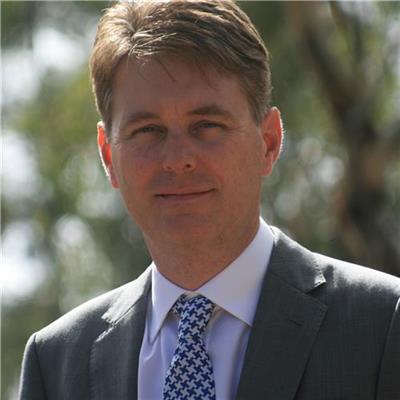
Prof Craig Olsson
Prof Craig Olsson
Contact
Email
show email address
Professor Craig Olsson is a Lifecourse Epidemiologist with wide experience in developmental psychology, epidemiological principles and methods, and genetic/epigenetic studies. He is an NHMRC Leadership Fellow and is a former recipient of an ARC Outstanding Researcher Award. He completed his PhD through The University of Melbourne and has since maintained a research focused career funded through competitive research fellowships to pursue his lifecourse research interests.
He leads two of Australia's longest running cohort studies, The Australian Temperament Project and Generation 3 Cohort Studies (est. 1983/2012) and The Victorian Adolescent and Intergenerational Health Cohort Studies (est. 1992/2006). Each has followed over 2000 young Australians from infancy and adolescence (respectively) into adult life, and over 1000 cohort offspring from pregnancy into childhood. He is also actively involved in several other long standing cohort studies, nationally and internationally, including the Dunedin Multidisciplinary Health and Development Parenting Study (est. 1972, NZ), the Norwegian HUNT Study (est. 1984), the TRAILS Next Cohort Study (est. 2000, Netherlands), the International Youth Development Study (est. 2022), and the Triple B pregnancy cohort (est. 2010).
He has leadership roles as Director of the SEED Lifespan Strategic Research Centre, Deakin University; Scientific Lead of Developmental Sciences, Centre for Adolescent Health, MCRI; Regional Convenor of the ARACY Longitudinal Studies Collaborative (55+ Australasian Cohorts); and State Co-convenor of the Melbourne Children's LifeCourse Initiative (22+ Victorian Cohorts). He is committed to bringing findings from cohorts to life in communities and is working with Federal and State Departments of Education to trial a new early life course (0-24 years) Comprehensive Monitoring System designed to empower local leaders to collect their own data to advocate for social change.
He leads two of Australia's longest running cohort studies, The Australian Temperament Project and Generation 3 Cohort Studies (est. 1983/2012) and The Victorian Adolescent and Intergenerational Health Cohort Studies (est. 1992/2006). Each has followed over 2000 young Australians from infancy and adolescence (respectively) into adult life, and over 1000 cohort offspring from pregnancy into childhood. He is also actively involved in several other long standing cohort studies, nationally and internationally, including the Dunedin Multidisciplinary Health and Development Parenting Study (est. 1972, NZ), the Norwegian HUNT Study (est. 1984), the TRAILS Next Cohort Study (est. 2000, Netherlands), the International Youth Development Study (est. 2022), and the Triple B pregnancy cohort (est. 2010).
He has leadership roles as Director of the SEED Lifespan Strategic Research Centre, Deakin University; Scientific Lead of Developmental Sciences, Centre for Adolescent Health, MCRI; Regional Convenor of the ARACY Longitudinal Studies Collaborative (55+ Australasian Cohorts); and State Co-convenor of the Melbourne Children's LifeCourse Initiative (22+ Victorian Cohorts). He is committed to bringing findings from cohorts to life in communities and is working with Federal and State Departments of Education to trial a new early life course (0-24 years) Comprehensive Monitoring System designed to empower local leaders to collect their own data to advocate for social change.
Professor Craig Olsson is a Lifecourse Epidemiologist with wide experience in developmental psychology, epidemiological principles and methods, and genetic/epigenetic studies. He is an NHMRC Leadership Fellow and is a former recipient of an ARC...
Professor Craig Olsson is a Lifecourse Epidemiologist with wide experience in developmental psychology, epidemiological principles and methods, and genetic/epigenetic studies. He is an NHMRC Leadership Fellow and is a former recipient of an ARC Outstanding Researcher Award. He completed his PhD through The University of Melbourne and has since maintained a research focused career funded through competitive research fellowships to pursue his lifecourse research interests.
He leads two of Australia's longest running cohort studies, The Australian Temperament Project and Generation 3 Cohort Studies (est. 1983/2012) and The Victorian Adolescent and Intergenerational Health Cohort Studies (est. 1992/2006). Each has followed over 2000 young Australians from infancy and adolescence (respectively) into adult life, and over 1000 cohort offspring from pregnancy into childhood. He is also actively involved in several other long standing cohort studies, nationally and internationally, including the Dunedin Multidisciplinary Health and Development Parenting Study (est. 1972, NZ), the Norwegian HUNT Study (est. 1984), the TRAILS Next Cohort Study (est. 2000, Netherlands), the International Youth Development Study (est. 2022), and the Triple B pregnancy cohort (est. 2010).
He has leadership roles as Director of the SEED Lifespan Strategic Research Centre, Deakin University; Scientific Lead of Developmental Sciences, Centre for Adolescent Health, MCRI; Regional Convenor of the ARACY Longitudinal Studies Collaborative (55+ Australasian Cohorts); and State Co-convenor of the Melbourne Children's LifeCourse Initiative (22+ Victorian Cohorts). He is committed to bringing findings from cohorts to life in communities and is working with Federal and State Departments of Education to trial a new early life course (0-24 years) Comprehensive Monitoring System designed to empower local leaders to collect their own data to advocate for social change.
He leads two of Australia's longest running cohort studies, The Australian Temperament Project and Generation 3 Cohort Studies (est. 1983/2012) and The Victorian Adolescent and Intergenerational Health Cohort Studies (est. 1992/2006). Each has followed over 2000 young Australians from infancy and adolescence (respectively) into adult life, and over 1000 cohort offspring from pregnancy into childhood. He is also actively involved in several other long standing cohort studies, nationally and internationally, including the Dunedin Multidisciplinary Health and Development Parenting Study (est. 1972, NZ), the Norwegian HUNT Study (est. 1984), the TRAILS Next Cohort Study (est. 2000, Netherlands), the International Youth Development Study (est. 2022), and the Triple B pregnancy cohort (est. 2010).
He has leadership roles as Director of the SEED Lifespan Strategic Research Centre, Deakin University; Scientific Lead of Developmental Sciences, Centre for Adolescent Health, MCRI; Regional Convenor of the ARACY Longitudinal Studies Collaborative (55+ Australasian Cohorts); and State Co-convenor of the Melbourne Children's LifeCourse Initiative (22+ Victorian Cohorts). He is committed to bringing findings from cohorts to life in communities and is working with Federal and State Departments of Education to trial a new early life course (0-24 years) Comprehensive Monitoring System designed to empower local leaders to collect their own data to advocate for social change.
Top Publications
- McNeair, S, Chamberlain, C, Priest, N, Evans-Whipp, T, Vassallo, S, Mansour, K, Ritland, L, Olsson, CA, Coffin, J, Australian Early Relational Health Network. A Scoping Review of Australian Aboriginal Early Relational Health Knowledge Systems.. Clin Child Fam Psychol Rev 2026 view publication
- Pearce, N, Cross, D, Francis, J, Sae-Koew, JH, Godley, AM, Attwell, C, Evans-Whipp, T, Allen, J, Homel, R, Olsson, CA, et al. Opportunities to Improve the Implementation of Relational Health Interventions for Children and Families: A Secondary Analysis of a Scoping Review.. Clin Child Fam Psychol Rev 2026 view publication
- Fuller-Tyszkiewicz, M, Vassallo, S, Evans-Whipp, T, Mansour, K, Misuraca, G, Zoumboulis, G, Newman, L, Olsson, CA, Australian Early Relational Health Network. Mapping What Works to Strengthen the Relational Ecology of Early Child Development: A Systematic Scoping Review.. Clin Child Fam Psychol Rev 2026 view publication
- Olsson, CA, Macdonald, JA, Evans-Whipp, T, Fischer, A, Letcher, P, Spry, EA, Zubrick, SR, Australian Early Relational Health Network. Population Perspectives on Nurturing Relational Health from Early Life: A Systematic Review Series.. Clin Child Fam Psychol Rev 2026 view publication
- Huang, A, Lycett, K, Klas, A, Crowe, M, Frykberg, G, Olsson, CA, Smit, R, Wang, Y, Walter, C. Empowering students as change agents to reduce vehicle idling and promote pro-environmental attitudes and behaviours: the idle off pilot study. Environmental Education Research 32(4) : 1147 -1183 2026 view publication
Page 1 of 54
Share //